

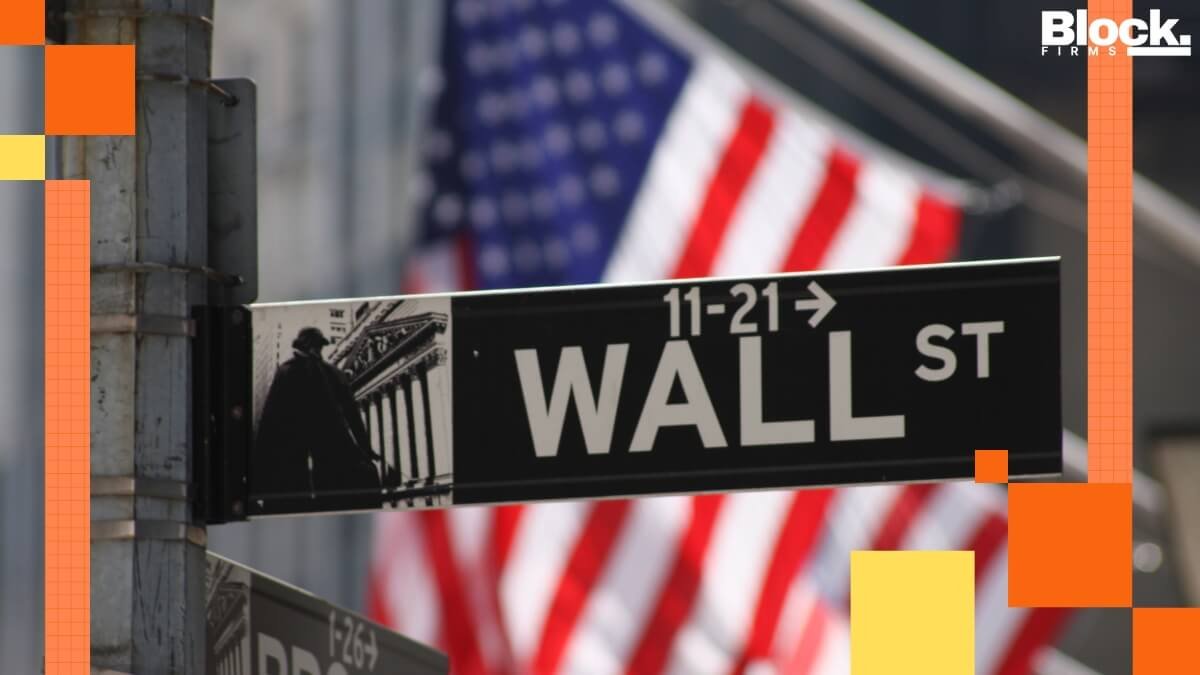
Crypto exchanges are crossing another Wall Street boundary.
Bitget has launched U.S. stock options trading, giving eligible users access to options on leading U.S.-listed companies inside a platform better known for crypto futures, spot markets and multi-asset trading. The company says the product makes it the only major crypto exchange currently offering U.S. stock options alongside crypto, CFD markets, gold, foreign exchange, commodities and indices.
The launch matters because it moves crypto exchanges beyond simple stock exposure.
Tokenized stocks gave users a way to track or own equity-linked instruments through crypto-native platforms. Stock options add a more complex layer: a Wall Street derivative used for speculation, hedging, earnings trades and portfolio risk management.
Bitget’s first version is deliberately narrow.
The product starts with long calls and long puts for eligible users. Calls let traders take a bullish view on a stock, while puts can be used for bearish exposure or downside protection. The buyer’s maximum loss is generally limited to the premium paid, but the contract can expire worthless.
That structure lowers one type of risk but does not remove the broader problem.
Buying options is simpler than selling them, because users are not exposed to unlimited losses from uncovered short options positions. But options still compress time, volatility and direction into a single trade, making them harder to understand than spot stocks or crypto purchases.
The bigger story is distribution.
Crypto exchanges want to become the front door for more of a trader’s financial life. A user who once came to a platform to buy Bitcoin may now be offered stablecoins, tokenized equities, pre-IPO exposure, commodities, prediction markets and listed-equity derivatives in one interface.
Bitget is not alone in chasing that model.
Binance launched access to more than 7,000 U.S.-listed stocks and exchange-traded funds for eligible users in June 2026, positioning the product as a way to trade traditional and crypto assets through one account. Coinbase has also described its strategy as an “Everything Exchange,” covering crypto, equities, derivatives, prediction markets and more.
Coinbase has pushed into adjacent territory.
In June, the company said it was adding pre-IPO perpetual futures, starting with SpaceX, for eligible non-U.S. traders. The contracts give users price exposure to private companies before a public listing, extending crypto-style derivatives into a market traditionally dominated by venture investors, private funds and institutional brokers.
Kraken has taken another route through tokenized equities.
Its xStocks product, developed with Backed, gives eligible users access to tokenized U.S. stocks and ETFs. Kraken said xStocks crossed $25 billion in total transaction volume after launching in June 2025, a sign that equity-linked products can find demand when distributed through crypto-native venues.
Robinhood’s European stock-token rollout showed the opportunity and the risk.
The brokerage has offered stock tokens linked to public companies and ETFs in Europe. Its product disclosures state that classic stock tokens are derivative contracts and do not grant rights to the underlying securities.
The backlash was swift when private-company tokens entered the picture.
OpenAI said tokens referencing its shares were not actual OpenAI equity, and that it had not partnered with or endorsed Robinhood’s offering. The episode showed how easily retail investors can confuse economic exposure with ownership rights.
That concern is now central to the regulatory debate.
The European Securities and Markets Authority has warned that tokenized stocks can create investor misunderstanding when they provide price exposure without full shareholder rights. The World Federation of Exchanges has also urged regulators to tighten oversight of tokens that mimic equities.
Bitget’s stock-options product is different from tokenized stocks.
Options are established derivatives, not synthetic stock tokens. But the same access question remains: what happens when instruments designed for sophisticated market participants are distributed through apps built for speed, retail engagement and global reach?
The timing is not accidental.
U.S. options trading has become one of the fastest-growing parts of the market. OCC data show total options volume reached 15.2 billion contracts in 2025, up 24.4% from 2024, with equity options alone rising 26.8%.
Cboe described 2025 as the sixth consecutive record year for U.S. listed options.
The exchange operator attributed the growth to strong equity markets, periods of higher volatility and rising retail and institutional participation. That matters for crypto exchanges because options now represent a mainstream behavior, not a niche Wall Street product.
In that sense, Bitget is following demand.
Retail traders already use options to trade earnings, technology stocks, volatility and macro events. Crypto exchanges are now trying to capture that same behavior before users move to traditional brokers.
Gracy Chen, Bitget’s chief executive, framed the move as part of market convergence.
“We have consistently moved first to connect stock opportunities with our users,” Chen said. She added that Bitget is moving “from tokenized stocks to now options,” calling it part of a wider convergence strategy across stocks, gold, crypto and global assets.
The phrase “convergence” is the key.
Crypto exchanges no longer want to be judged only by token listings or Bitcoin liquidity. They want to sit between users and global markets, much as brokerage apps, clearing firms and securities exchanges have done in traditional finance.
That creates a competitive threat to established brokers.
If crypto platforms can offer U.S. stocks, ETFs, tokenized equities, pre-IPO products and stock options, they can compete for the same active traders who once used Robinhood, Interactive Brokers, Schwab, eToro or regional brokerage apps. The difference is that crypto platforms can also fund accounts with stablecoins and serve users across jurisdictions where traditional brokerage access may be limited.
Traditional market operators are not standing still.
Nasdaq filed to allow trading of tokenized securities within its existing exchange framework, and later announced an equity-token design that it said would put public issuers at the center of ownership rights, transparency and governance. Reuters reported that the SEC has also been preparing a policy path for stock-token trading by crypto firms.
That shows the race is moving in both directions.
Crypto firms are importing Wall Street products into crypto apps. Wall Street firms are exploring blockchain rails, tokenized settlement and digital-asset distribution without abandoning regulated market infrastructure.
The risk is that access may outrun understanding.
Options are useful when traders understand time decay, implied volatility, strike selection and event risk. They can also become a fast way for retail users to lose premium if they treat them like cheaper substitutes for stocks.
That is why Bitget’s single-leg approach is notable.
Starting with long calls and long puts avoids the most complex parts of options trading. It also gives the company room to test demand, user behavior and jurisdictional controls before adding advanced multi-leg strategies.
The commercial logic is clear.
Options can drive repeat engagement because contracts expire, earnings cycles create recurring trading events and active traders often adjust positions more frequently than long-term stock investors. For exchanges, that can support higher trading activity across asset classes.
But the strategic logic is larger.
A crypto exchange that controls the interface for crypto, stocks and derivatives can shape how a new generation of global traders discovers markets. That is the gatekeeper question: not who owns the exchange license, but who owns the user relationship.
The result is a new phase in the crypto-finance merger.
The first phase was about buying digital assets. The second was about tokenizing real-world assets. The next phase may be about rebuilding the brokerage stack around stablecoins, global access and 24-hour trading habits.
Bitget’s U.S. stock-options launch fits that arc.
It does not mean crypto exchanges have replaced Wall Street. But it does show they are no longer content to sit outside it. They are trying to become the layer through which global users reach Wall Street products.
That makes the answer to the headline more complicated than yes or no.
Crypto exchanges are not yet the new gatekeepers of Wall Street trading. But with stocks, tokenized equities, pre-IPO exposure and now U.S. stock options moving into crypto-native platforms, they are clearly competing for the gate.
Reporting by Rakhi Shah; Editing by Rohit Kumar
More From BlockFirms
Disclaimer: All content published by BlockFirms is intended strictly for informational, educational, and journalistic purposes. Nothing on this platform constitutes financial, investment, legal, technical, or software development advice. Cryptocurrency, decentralized protocols, and blockchain technologies are highly volatile, speculative, and carry inherent risks, including code vulnerabilities, smart contract exploits, and regulatory changes. You risk losing all invested capital. The views expressed by external experts or developers do not reflect the institutional opinions of BlockFirms. We accept no liability for any financial losses or technical damages resulting from reliance on our content. Readers are entirely responsible for conducting independent due diligence and consulting with qualified professionals in their respective jurisdictions. Our Editorial Policy has been updated.


